It is produced by many plants and animals including humans and its polymers are the main component of natural rubber.
Isoprene rubber uses.
Depending on its molecular structure polyisoprene can be a resilient elastic polymer as in the case of natural rubber and isoprene rubber or a tough leathery resin as in.
The typical working temperature range is 50 c to 100 c.
Cis 1 4 polyisoprene which is also called isoprene rubber is a major ingredient of natural rubber trans 1 4 polyisoprene is a major ingredient of gutta percha annual worldwide production of polyisoprene was 13 megatonnes in 2007.
Due to its outstanding strength and excellent compression set isoprene rubber is the preferred material for many engineering applications.
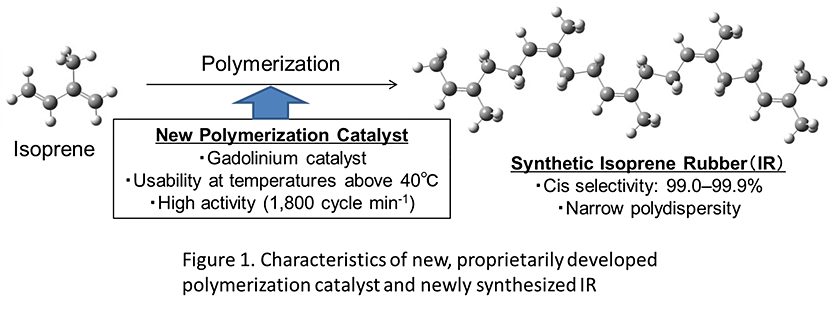
It is either harvested in the form of latex from rubber trees nr or synthetically produced by polymerization of 1 methyl 1 3 butadiene ir.
Butyl rubber made from isobutene with a small amount of isoprene using aluminum chloride initiator has outstanding impermeability to gases and is used in inner tubes.
Black loaded polyisoprene finds uses in tires motor mounts pipe gaskets shock absorber bushings and many other molded and mechanical goods.
Isoprene or 2 methyl 1 3 butadiene is a common organic compound with the formula ch 2 c ch 3 ch ch 2 in its pure form it is a colorless volatile liquid.
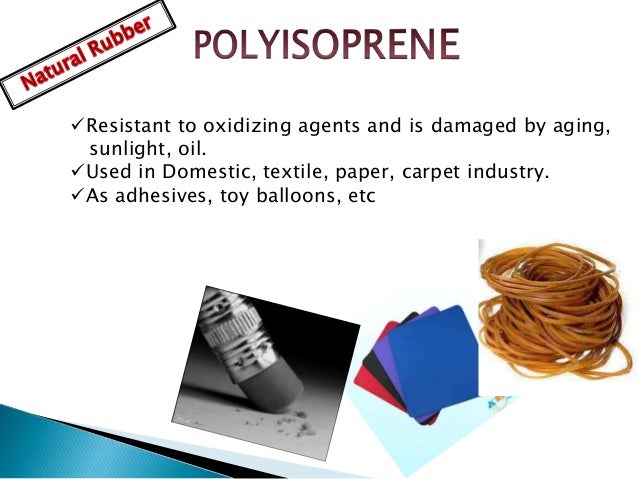
Typical uses include anti vibration mounts drive couplings tires springs bearings rubber bands and adhesives.
Isoprene is an unsaturated hydrocarbon.
Isoprene rubber properties and applications.
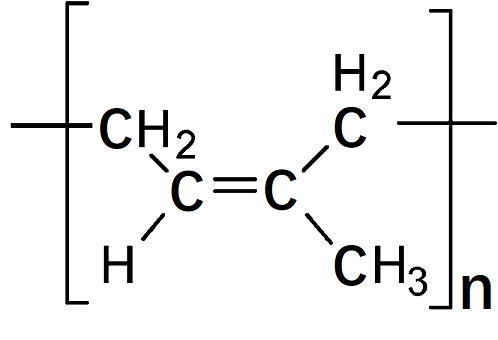
Polyisoprene polymer of isoprene c 5 h 8 that is the primary chemical constituent of natural rubber of the naturally occurring resins balata and gutta percha and of the synthetic equivalents of these materials.
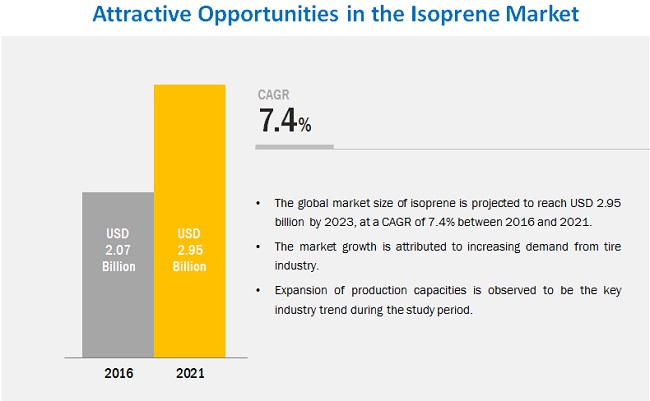
The largest end use for polyisoprene by far is in tires.
Polyisoprene ir nr is an inexpensive and widely used commercial rubber.